
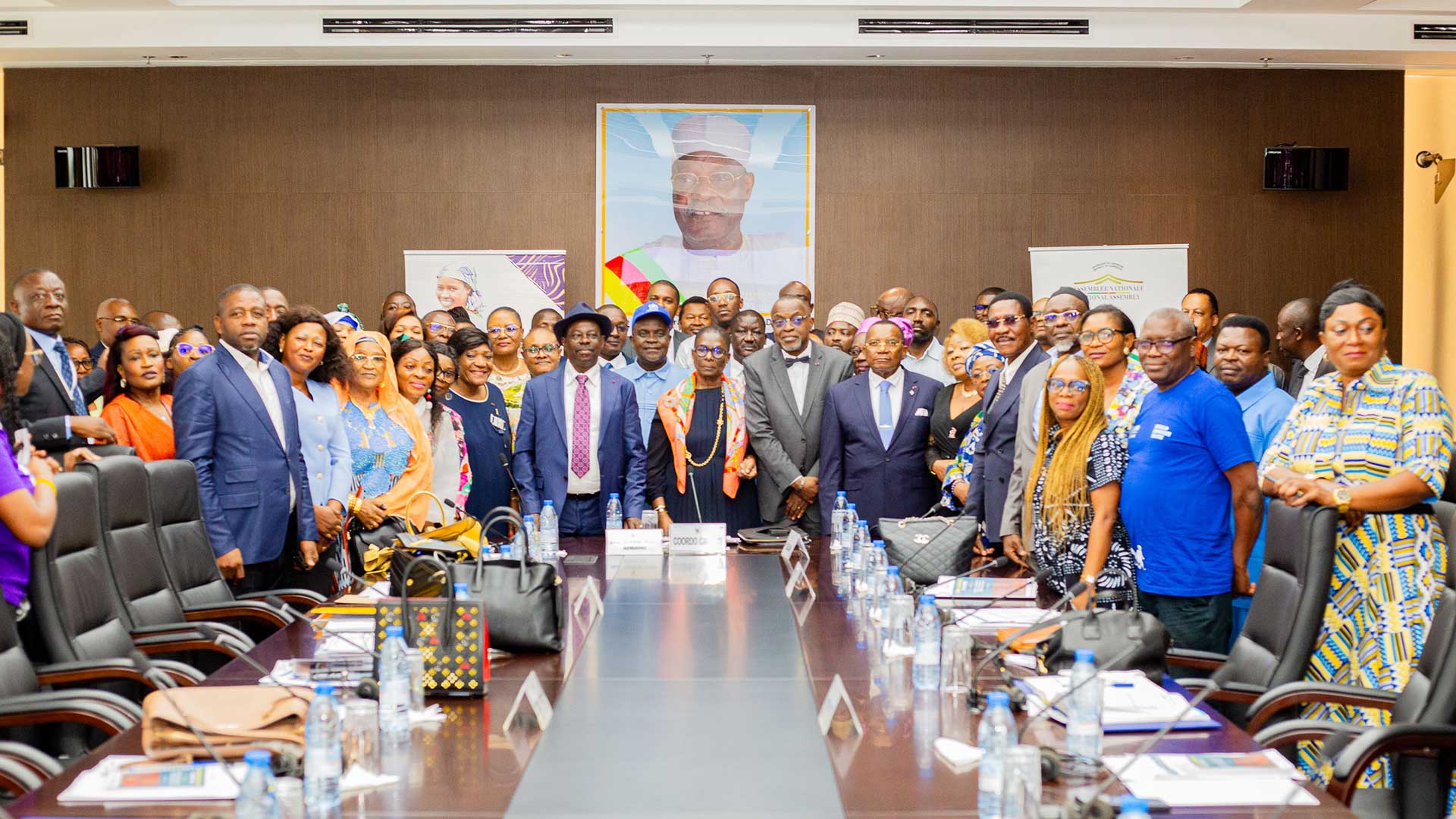
A presidential instruction puts the fight against malaria into the 2027 State budget.
On 12 October 2026, the President of the Republic of Cameroon signed the circular that sets out how the 2027 State budget will be prepared. Under the social priorities, paragraph 21 asks the government to:
“…operationalise the Multisectoral Framework for malaria control validated by the Government.”
— Paragraph 21, instructions on the preparation of the 2027 State budget
In practice, every ministry preparing its 2027 budget now has a presidential instruction to plan for malaria. Education, agriculture, housing, environment, finance, tourism and social affairs all have a part to play, not just the Ministry of Public Health. It is a major step forward in Cameroon’s fight against the disease, and the result of years of patient work to bring every sector to the same table.
Why malaria still matters for the 2027 budget
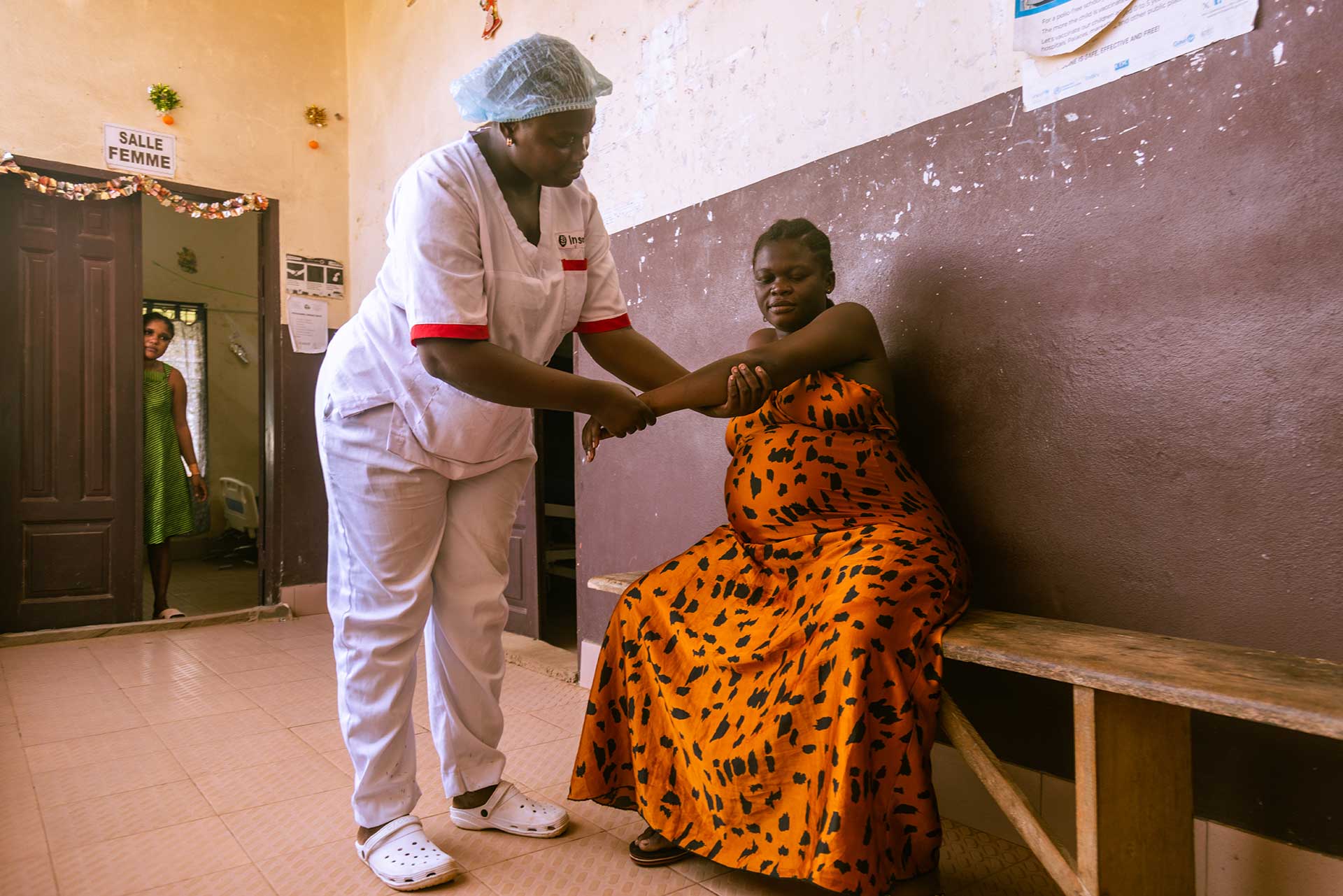
A budget for 2027 must respond to the situation Cameroon faces today. And today, malaria remains one of the main causes of illness and death in the country. Cameroon is one of the 11 countries in the world carrying the heaviest malaria burden, according to the World Health Organization.
At the end of 2025, health facilities reported 2,913,279 confirmed malaria cases. That is more than one in four of the 11,092,319 consultations recorded that year. The disease also claimed 1,274 lives in health facilities, 5.1% of all deaths recorded there. The latest national survey, in 2022, found that 26.1% of people carried the malaria parasite, up from 24% in 2018, a reminder that earlier gains cannot be taken for granted.
2,913,279confirmed malaria cases reported in health facilities in 2025 (26.3% of all consultations) |
1,274malaria-related deaths recorded in health facilities in 2025 (5.1% of all deaths) |
CFAF 380 bncost of the National Malaria Strategic Plan 2024–2028, less than half of it funded |
Malaria does not only fill hospital beds. It accounts for 26% of workplace absences and can take up to 40% of a household’s health spending. The National Malaria Strategic Plan 2024–2028 sets out what is needed to bring it down and costs it at about CFAF 380 billion. Less than half of that amount is funded, and 90% of what is funded comes from donors.
That is why the 2027 circular matters now. The Ministry of Public Health cannot close this gap alone. Much of what prevents malaria sits outside its remit: what children learn at school, how councils manage drainage and waste, how employers protect their staff. The Framework sets out what each sector should do. The circular now asks each of them to budget for it.
How a shared commitment was built
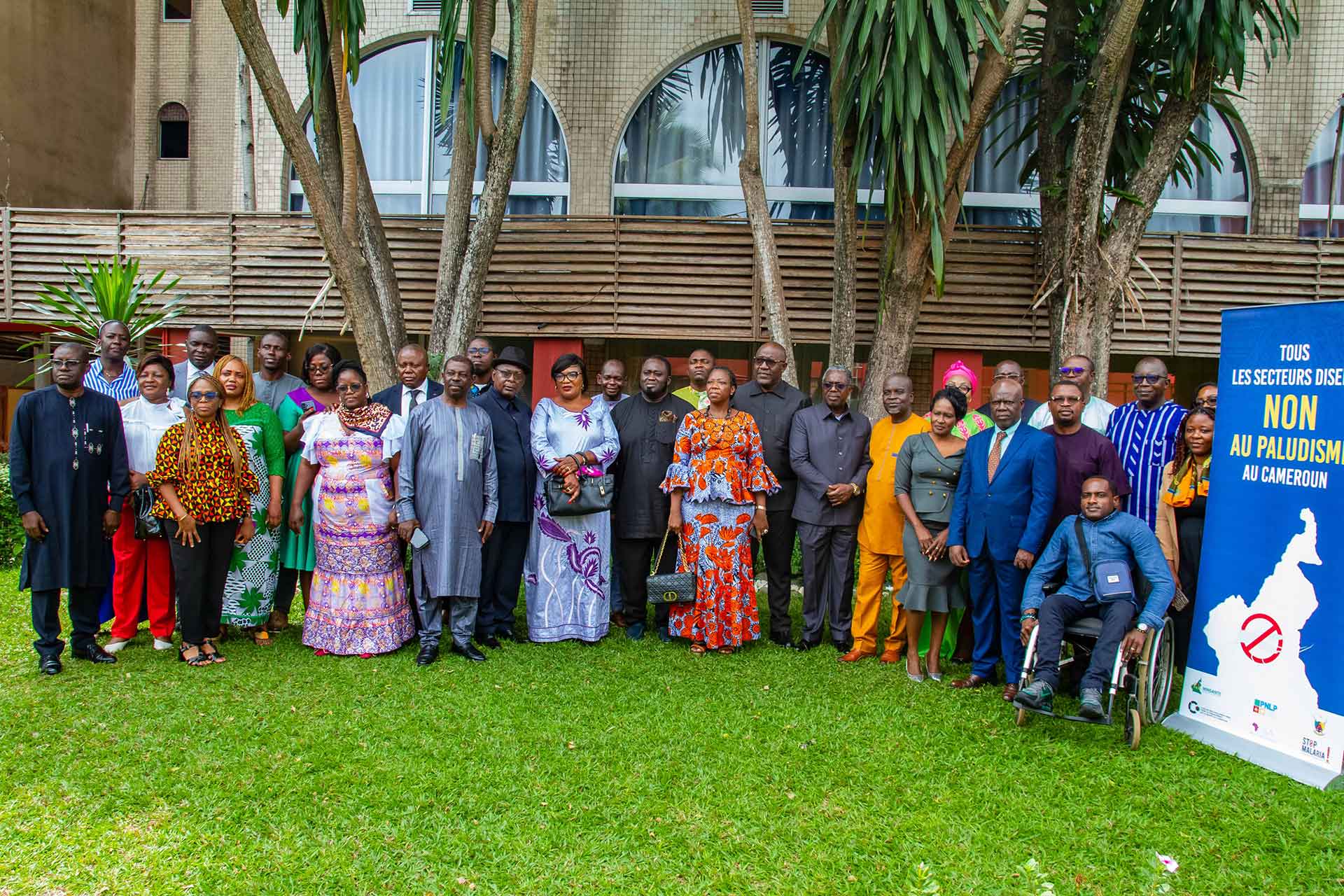
The story began in April 2023, when a first workshop brought sector ministries into the malaria response. Drafts were reviewed in Douala and Yaoundé, and in May 2024 Cameroon finalized its first National Multisectoral Framework. Two months earlier, on 6 March 2024, Cameroon and ten other high-burden countries had signed the Yaoundé Declaration on malaria.
Members of Parliament played a central part. The Coalition of Parliamentarians to End Malaria in Africa (COPEMA) Cameroon took the case for a multisectoral response to government and pressed for more domestic funding for malaria. Its delegations were received by the Minister of Public Health, the Prime Minister, Head of Government, and the President of the National Assembly.
On 12 December 2024, Order No. 134/CAB/PM of the Prime Minister created an Interministerial Committee to coordinate and monitor Cameroon’s multisectoral malaria commitments. It is chaired by the Deputy Secretary General of the Prime Minister’s Office and brings together about a dozen ministers, parliamentarians, representatives of councils and regions, civil society through ISA, and the World Health Organization as an observer.
The following two years were spent making the system work. In 2025, nine sector ministries drafted costed malaria action plans, and six more followed in 2026. Together, these plans are budgeted at CFAF 562,600,000, and the six most recent are now awaiting inclusion in the medium-term expenditure framework. In February 2026, an operational guide for sector ministries covering 2026–2028 was validated, and ministry focal points were trained to use it in April. In August 2026, the Prime Minister, Head of Government, signed the Framework. On 12 October, the Head of State included it in the 2027 budget instructions. An official launch of the Framework is planned in the coming months.
Schools, workplaces, hotels and councils: already acting
Several ministries did not wait for the final signature.
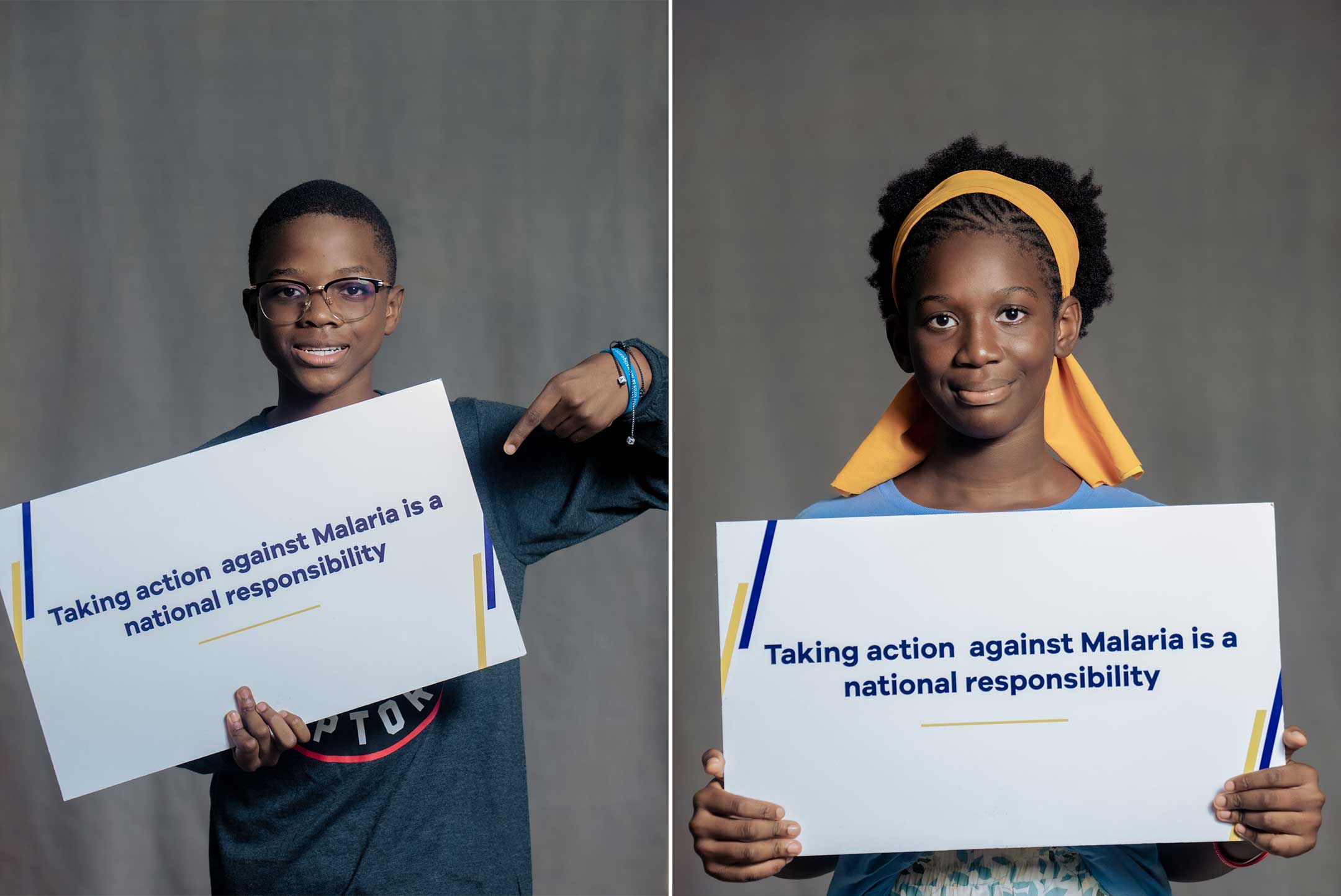
Social affairs. In December 2025, the Minister of Social Affairs sent the list of 244 public and private social welfare institutions so that they could be included in the national bed net distribution, and some orphanages received nets that same year. On 13 April 2026, the Minister signed an instruction setting out how the ministry’s services must protect vulnerable children, people living in poverty and people with disabilities from malaria. In June 2025 and again in June 2026, 180 junior members of the Children’s Parliament were trained to carry prevention messages back to their communities.
Tourism. On 10 June 2026, the Minister of Tourism and Leisure signed a circular letter requiring hotels and leisure facilities to keep their premises clean, remove stagnant water, and protect guests and staff with bed nets and window screens. Hotel staff have been trained in Yaoundé and Douala, and in 2025 alone more than 200 staff from 94 establishments in the Centre region took part.
Schools. The Ministry of Secondary Education created a malaria line in its medium-term budget, covering training for school health staff, awareness materials for students and World Malaria Day activities with parents and teachers, and is setting up school health clubs. The Ministry of Basic Education opened its own budget line and added malaria to teacher training. With the Ministry of Decentralization and Local Development, the two education ministries developed “Mon école sans palu” (My malaria-free school) and “Ma commune sans palu” (My malaria-free council).
Town councils in the North and Far North. Sixteen councils have committed to the malaria response. With close follow-up from ISA, working with the regional malaria technical groups and the councils’ secretaries-general, ten of them have already obtained an order from the prefect creating a Council Malaria Committee. These committees bring together traditional authorities, development committees, local businesses, health districts and community leaders to tackle malaria locally and to raise local funding.
Other sectors. The Ministry of Labor ran awareness sessions for its staff. The Ministry of Scientific Research included malaria activities in the budget of its Institute of Medical Research and Medicinal Plant Studies. In 2026, the Ministry of Communication launched the Stop Malaria Newsletter, dedicated to the multisectoral approach, with two editions so far.
The role of civil society
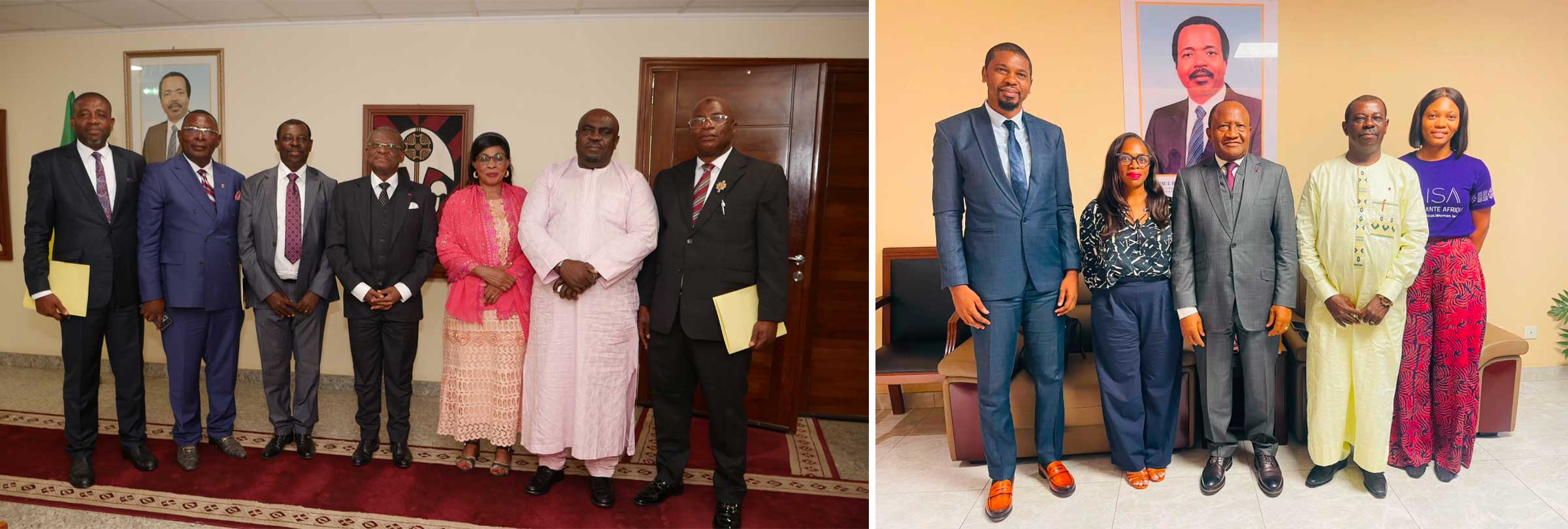
Civil society’s main contribution was advocacy. ISA brought together actors who did not usually work with one another: the Ministry of Public Health, the National Malaria Control Program, the Prime Minister’s Office, sector ministries and Members of Parliament. Working closely with COPEMA Cameroon meant parliamentarians could raise the issue directly with the Prime Minister and the Minister of Public Health. With each ministry, civil society explained in practical terms why malaria was also its concern.
This partnership took time to build. Over three years, steady coordination, bringing people back to the table and reminding them of what had been agreed, helped turn a shared commitment into a framework signed by the Prime Minister and included in the President’s budget instructions.
What comes next
The next step is to see malaria activities and funds written into each ministry’s 2027 budget, and that money spent. ISA will follow this with the Interministerial Committee, the National Malaria Control Program and COPEMA Cameroon, from the vote on the 2027 Finance Law through to its implementation.


